
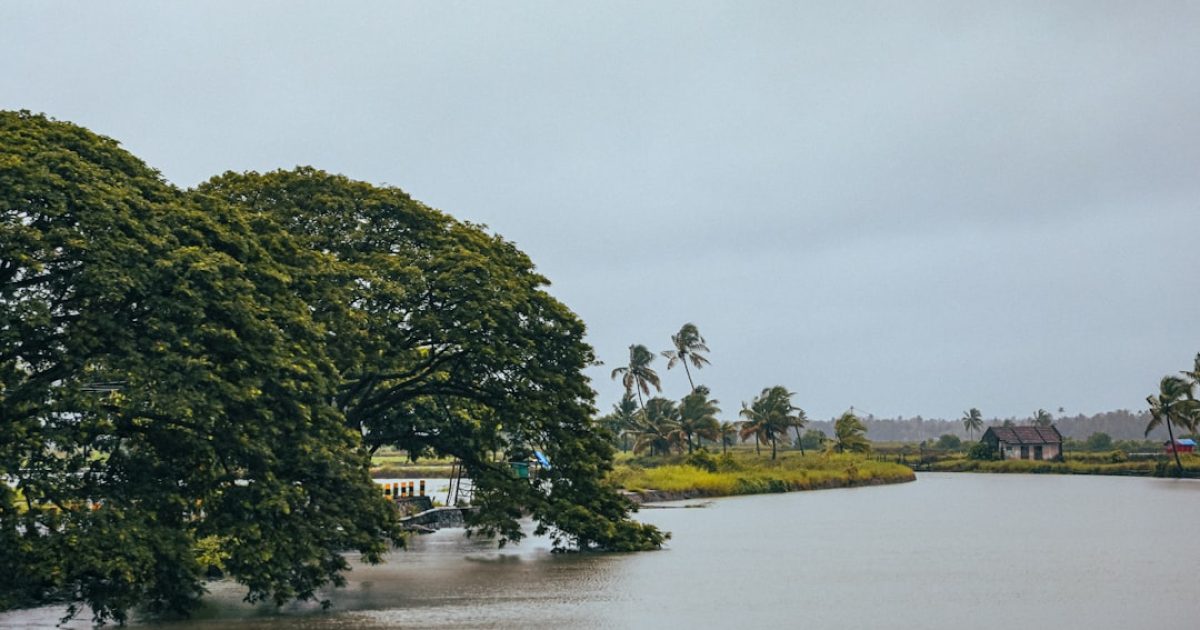
Most "best time to visit Kerala" guides give you one answer - November to February - and leave it there. That's a reasonable default for Kerala in general, but a houseboat trip specifically has its own quirks, because you're not just visiting a place, you're spending 24 hours moving through water that behaves very differently depending on the month.
The Short Answer
November through February is the safest bet: dry weather, calm water, comfortable temperatures for sitting on deck. But it's also the most crowded and most expensive window, and it's not actually the only good option - it's just the lowest-risk one.
Month by Month, What Actually Changes
November to February - Peak Season
Dry, clear skies, daytime temperatures in the high 20s°C, calm backwater conditions. This is when the postcard version of a Kerala houseboat trip actually happens - sitting on the deck at sunset without sweating through your shirt. It's also when every houseboat operator is booked solid and rates are at their highest, especially around Christmas and New Year, when prices can run noticeably above the rest of the season.
March to May - Hot and Humid
Temperatures climb into the mid-to-high 30s°C with high humidity, and most houseboats aren't air-conditioned in every room (check this specifically, since it varies by boat class). This is the off-season for a reason - daytime heat makes deck-sitting less pleasant - but it's also when rates drop and boats are easy to book on short notice.
June to September - Monsoon
This is the season most guides tell you to avoid, and for good reason if you want the calm, sunny version of the trip. But monsoon backwaters have their own appeal: the canals run fuller, the surrounding paddy fields turn a deep green, and rain typically comes in bursts rather than all-day downpours, leaving plenty of dry windows. Some operators reduce routes or pause entirely during the heaviest weeks, so this is the one season where you should confirm directly with the operator rather than assuming normal service.
October - Shoulder Season
The month right after monsoon tends to be underrated. Water levels are still high (good for scenery), the worst of the rain has usually passed, and pricing sits between peak and off-season. If you want a middle ground between crowds and weather risk, this is it.
Comparing the Seasons Directly
| Season | Weather | On-Water Experience | Price Level | Best For |
|---|---|---|---|---|
| Nov - Feb | Dry, mild | Calm, comfortable, classic | Highest | First-timers, families |
| Mar - May | Hot, humid | Fine on AC boats, tough without | Lowest | Budget-conscious, flexible dates |
| Jun - Sep | Monsoon, intermittent rain | Lush scenery, some route limits | Low-Mid | Photographers, repeat visitors |
| Oct | Post-monsoon, clearing | Full canals, fewer crowds | Mid | Best overall value |
Alleppey vs. Kumarakom: Does Timing Differ?
Alleppey has a much larger network of routes and operators, so it tends to feel busier in peak season simply due to volume - more boats on the water at the same time. Kumarakom, built around the quieter Vembanad Lake, feels less crowded even in December, but has fewer route options if you want variety across a multi-day trip. If crowding bothers you more than weather does, Kumarakom in peak season is a reasonable compromise.
What a Houseboat Actually Involves
A standard houseboat (locally, a kettuvallam) trip runs about 22 hours - check-in early afternoon, cruise until evening, anchor overnight, breakfast and a short morning cruise before checkout. Meals are cooked onboard, usually included in the price, and it's worth flagging dietary restrictions when booking rather than after boarding. Most boats have a private bedroom with an attached bathroom; the number of bedrooms determines group size, not the boat's overall length, so a "2-bedroom" boat and a "4-bedroom" boat can look similarly sized from the outside.
Planning a Kerala trip for clients or your own travels?
Compare real rates on hotels and stays across Kerala and beyond.
How Far Ahead Should You Book?
For peak season (December especially), 3-4 weeks ahead is a safer minimum - popular boats sell out, and the ones left close to the date tend to be the least well-maintained. For shoulder season and monsoon, a week or even a few days ahead is often fine, since demand is lower and operators have more availability to work with.
Common Mistakes People Make
Booking peak season without checking AC. Not every houseboat has air conditioning in every room even in the "comfortable" months - afternoons can still get warm, and it matters more than people expect once they're actually on the water.
Ignoring festival dates. Onam (typically August/September) brings a spike in domestic tourism and pricing that doesn't always show up if you're just checking the general "monsoon season" weather advice - check the specific dates for the year you're travelling.
Assuming one night is enough to "do" the backwaters. A single overnight is the standard and genuinely enjoyable, but if it's your only Kerala activity, it can feel short - pairing it with a day or two elsewhere (Kochi, Munnar) rounds out the trip.
Frequently Asked Questions
Is monsoon really a bad time to go?
Not bad - different. You trade guaranteed sun for lusher scenery and lower prices, with a real chance of rain interrupting part of the day.
Do houseboats run year-round?
Most do, though some operators pause or reduce routes during the heaviest monsoon weeks. Always confirm directly for June-August travel.
How many days should I plan for the backwaters specifically?
One overnight (about 22 hours) is the standard format and enough to get the full experience; longer multi-day cruises exist but are more of a niche booking.
Is Alleppey or Kumarakom better for a first-timer?
Alleppey, mainly because of route variety and operator choice - Kumarakom is a strong pick if you specifically want a quieter, less-trafficked stretch of water.